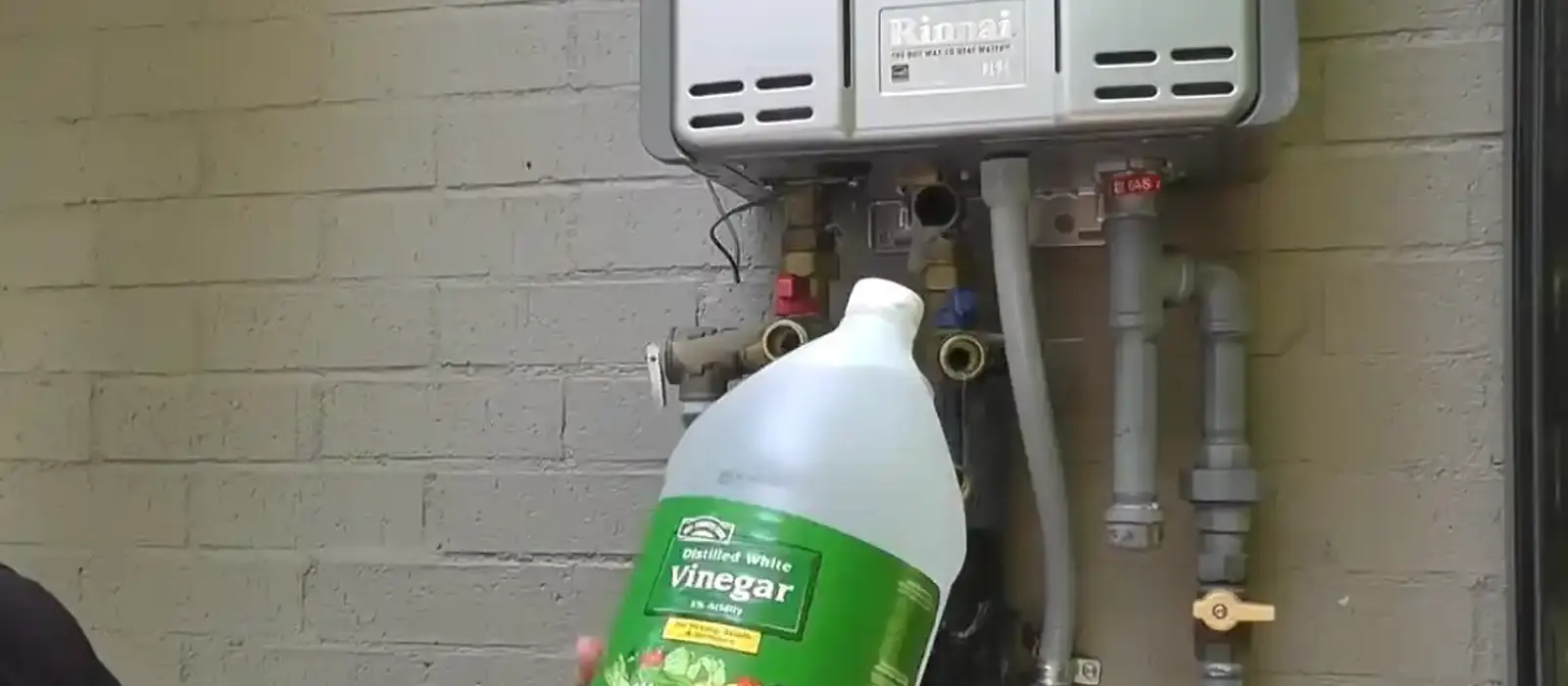
My tankless heater shows an error code or gives cold bursts
An error code is the unit telling you which sensor or system tripped. Common causes include a blocked intake or exhaust vent, scale on the heat exchanger, a failed flow sensor or ignition problems on gas models. A cold burst in the middle of a hot shower often means the flow dipped below the level the unit needs to stay lit.
We read the code, check gas pressure or electrical supply, inspect the venting and test flow. Many faults are cleaned, adjusted or reset on the first visit. If the heat exchanger itself has failed, we explain what the manufacturer's warranty may cover.
| Symptom | Likely cause | What we do |
|---|---|---|
| Error code and no heat | Vent restriction, flame sensor or scale | Inspect venting, clean sensors, flush |
| Lukewarm only | Scale on the heat exchanger | Descale flush with a circulation pump |
| Hot then cold then hot | Low flow or inlet filter debris | Clean the inlet screen, check fixtures |
| Unit will not fire at low flow | Minimum flow threshold not met | Adjust settings, advise on fixtures |
Descaling and flush: why it matters
Minerals in the water coat the inside of the heat exchanger over time. The coating acts as insulation, so the unit works harder for less heat and eventually trips. A flush uses a mild acid solution circulated through the unit, followed by a clean rinse. It restores flow and often clears error codes.
Tucker's supplier, DeKalb County Watershed Management, does not list a hardness figure in its annual report, so we suggest testing your tap. Whatever the number, an annual flush is cheap insurance on a unit that costs several times more than a tank heater.
Is a tankless heater right for your house?
Tankless units suit homes where space is tight, usage is steady and the gas line or electrical service can carry the demand. Gas models typically need a larger gas line than a tank heater and a vent rated for the unit. Electric tankless models draw heavy current, and some panels cannot support them.
If you are considering a swap from a tank, we visit, check the gas line size and the venting path, and give you a plain recommendation. Some households do better with a new tank. See water heater replacement or planned water heater installation for that route.
Questions to settle before buying a tankless unit
- Is the existing gas line large enough for the unit's demand, and can it be upsized?
- Where will the vent terminate, and does it meet clearance rules from windows and doors?
- How many fixtures will run at once at peak, and is a larger unit needed?
- Is there a condensate drain nearby for a high-efficiency model?
Cost factors
Unit model and capacity
Capacity is rated in gallons per minute, and larger households need larger units.
Gas line or electrical upgrade
Often the largest add-on.
Venting
Condensing models use plastic vent pipe, while others need stainless.
Isolation valves
Service valves make flushing simple and are recommended.
Permit and inspection
Permit rules vary, so ask the City of Tucker permit team.
Insurance generally treats a tankless unit like any water heater: damage from a sudden leak may be covered, the unit itself is not. For your real number, call (770) 214-4545.
Tankless heater acting up?
Call with the error code from the display and we can tell you what to check.
What to do before we arrive
- Note any error code on the display and photograph the unit label.
- Do not remove covers or work on gas or electrical connections yourself.
- If you smell gas, leave the house and call the gas utility from outside.
- Close the cold water isolation valve if water is leaking.
Standards and sources
Plumbing work in Georgia follows the state minimum plumbing code, which is built on the International Plumbing Code (IPC) with Georgia amendments. Ask the City of Tucker permit team which edition and which local rules apply to your address. Plumbers are licensed through the Secretary of State's Division of Master and Journeyman Plumbers, and you can ask for a license number. Gas piping and venting for water heaters fall under the National Fuel Gas Code, NFPA 54, as adopted locally.
Written by Tucker Express Plumbing for homeowners in the Tucker area. We name standards where they apply and tell you when a rule depends on your address.
Questions we hear from homeowners
It depends on the unit and how easy the isolation valves are to reach. We quote it before starting, and the visit is usually a couple of hours.
Often yes, though the gas line, venting path and wall space need checking first.
Scale on the heat exchanger, a failing fan bearing or water hammer in the pipes can all cause noise. We diagnose before recommending a repair.
We service the common brands. If a part is only available from the manufacturer, we tell you and help with the warranty claim.
It can be, particularly for saving space, but the savings depend on usage. We give you an honest comparison.