When a camera look is worth it
Buying a house
The sewer line is a major hidden system. A camera look before closing can reveal roots, breaks or a belly.
Repeat clogs
If a line clogs again and again, the camera shows why before you pay for more cleaning.
Slow drains throughout
A camera tells you whether the line is narrowed by buildup or damaged.
Odors or wet lawn patches
A leaking sewer can show up as smell or soft ground. A camera can find the leak path.
How the inspection works
Locate the access
We find a cleanout or a removable toilet access point.
Run the camera
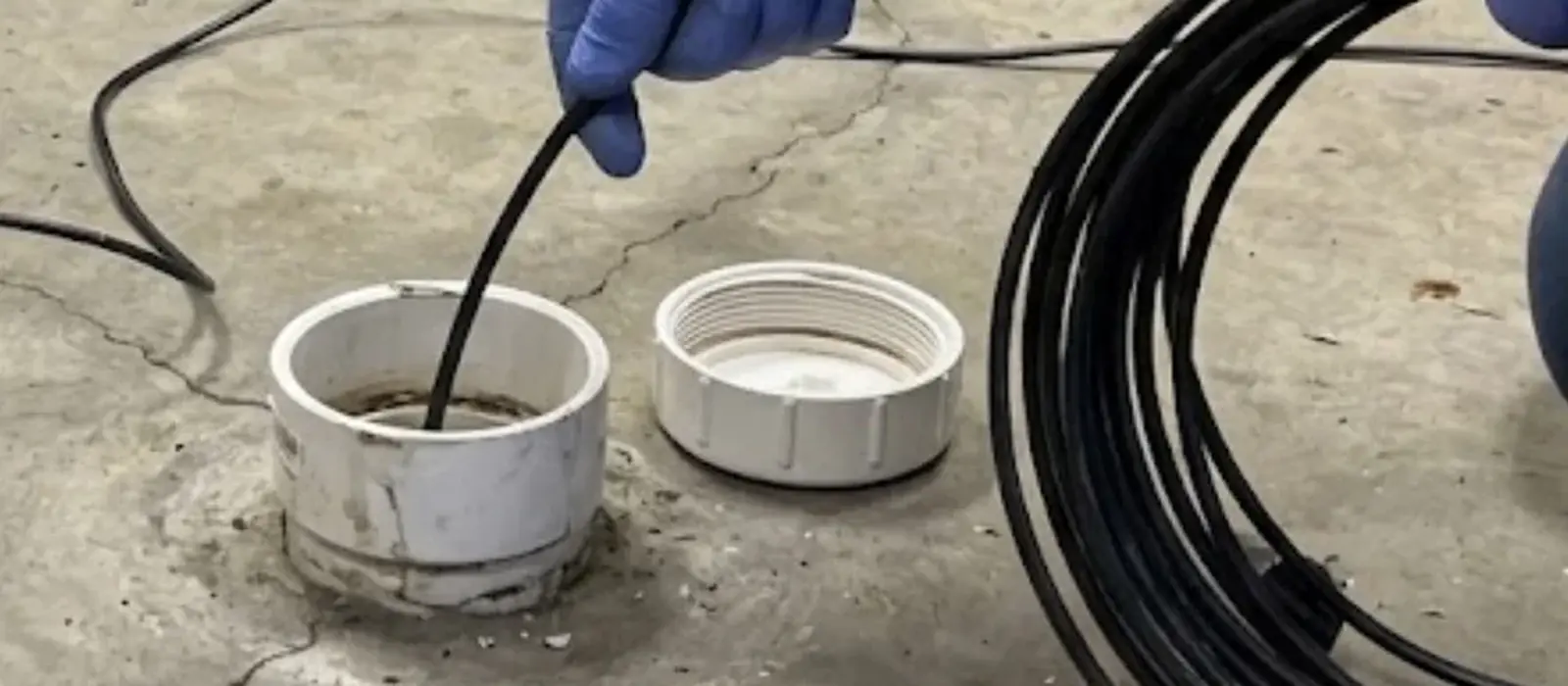
A flexible rod carries a waterproof camera along the pipe while we record.
Mark the problems
We note footage distance for roots, cracks, offsets, bellies or scale.
Explain findings
You see the video and hear what each finding means for repair or maintenance.
The camera head shows a live picture on a monitor and records video. A locator at the surface can tell us where the camera is, so a problem 40 feet down can be pinpointed in the yard. That matters when a spot repair is the right answer.
Findings do not oblige you to repair anything. A minor offset on a line that drains well may only need monitoring. A cracked section under the driveway deserves a plan.
| What the camera shows | What it means | Next step |
|---|---|---|
| Clean, round pipe | No immediate issue | None, consider rechecking in a few years |
| Light scale or grease | Reduced flow | Sewer line cleaning or jetting |
| Roots at joints | Seeping joint | Cut roots and plan a repair |
| Cracks or breaks | Pipe damage | Quote spot repair or lining |
| Standing water in a section | Belly in the line | Evaluate section replacement |
For buyers: ask before the inspection window closes
A general home inspection usually does not include a sewer scope. If you are buying, ask your agent whether your contract allows time for one. A recorded camera pass gives you leverage in negotiation if the line is damaged and a clean bill of health if it is not. Send us the address and the access details and we will tell you what is possible.
Cost factors
Line length
A longer run takes more time.
Access
A clean outdoor cleanout is faster than pulling a toilet.
Cleaning first
A heavily clogged line may need cleaning before the camera can pass.
Locating
Surface locating adds time but pinpoints repairs.
Report detail
Video delivery and a written summary are part of the visit.
Insurance seldom pays for a scheduled inspection. For your real number, call (770) 214-4545.
Want to see inside your line?
Call to schedule a camera inspection, often within a day or two.
Inspecting lines in Tucker and nearby towns
Tucker homes sit in the DeKalb County sewer system, and the county handles the mains while you handle your side line. We inspect private laterals in Tucker, Clarkston, Stone Mountain, Lilburn and Norcross. If an inspection finds a problem past your property line, we report it to the utility with the footage so you are not paying for a public fix. For repair of damage found, see sewer line repair.
What happens to the footage
You receive the video and a short written summary the same day. Keep both. If you later sell the house, a clean recent scope is a selling point. If you are in a dispute about a line that crosses a property boundary, the video with distance markers is evidence.
Standards and sources
Plumbing work in Georgia follows the state minimum plumbing code, which is built on the International Plumbing Code (IPC) with Georgia amendments. Ask the City of Tucker permit team which edition and which local rules apply to your address. Plumbers are licensed through the Secretary of State's Division of Master and Journeyman Plumbers, and you can ask for a license number.
Written by Tucker Express Plumbing for homeowners in the Tucker area. We name standards where they apply and tell you when a rule depends on your address.
Questions we hear from homeowners
No. The camera is a flexible rod with a small head. It is gentler than cabling a line.
Often yes through a toilet access point, though it takes more time. We tell you before we start.
Yes. We share the recording and a written summary of what we found and at what distance.
A typical residential inspection takes around an hour, longer when the line needs cleaning first.
It can still be worthwhile. Builders sometimes leave debris or shift pipe during backfill, and a camera confirms the line is sound.